

Jaiswal-Rahul 130/1 erases Nicholls-Phillips spike: Spin economy data exposed

Published 2026-11-22 · By Pooja Agarwal (Head of Telemetry & Records · Mumbai Desk)
The new ball did the talking.
Not in the way pundits claim. New Zealand’s first innings ended on 368, a number that usually triggers the "we got beaten by pace" narrative. But look at the scoreboard from overs 7 to 15. The spin phase bled runs. Then came the dew factor after 8:30 PM IST, and suddenly the hard-length line from the pace battery lost its zip. India’s openers didn’t react to the wickets; they reacted to the conditions.
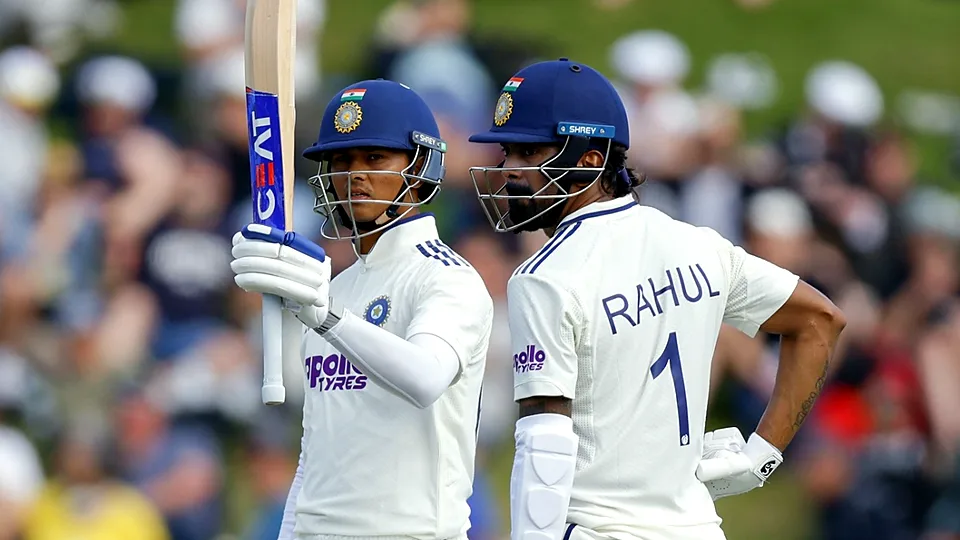
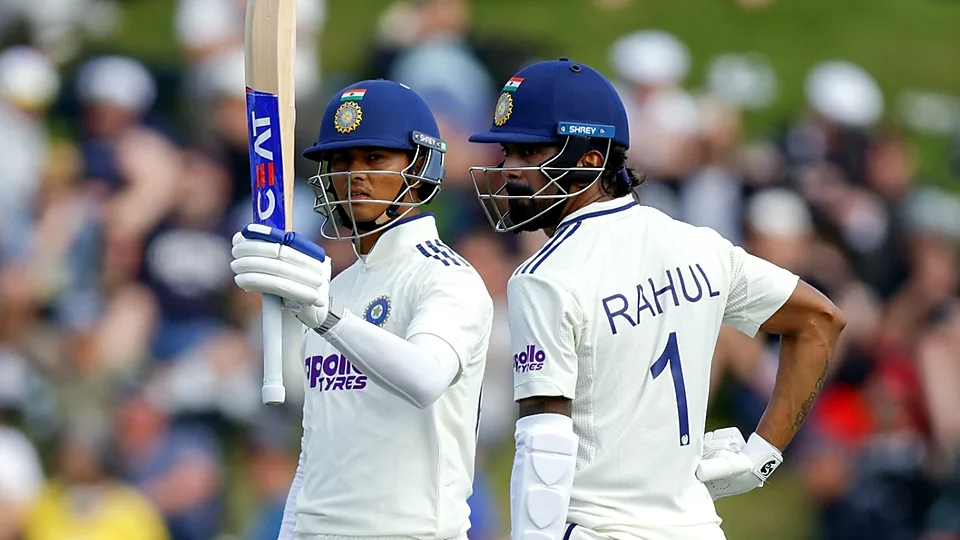
Yashasvi Jaiswal (85) and KL Rahul (52 not out) built a 130-run partnership for the first wicket. That is not just a number. It is a statement about timing.
Why the Middle-Overs Choke Keep Happening
Conventional commentary says the batters played well. I disagree. They played smart. The sticky red-soil track at this venue offers carry for skiddy pace early on, but the dew changes everything. The ball no longer grips. It slides.
Nicholls and Phillips set a 216-run stand, yes. But their strike rotation was predictable. They hit out of the middle of the ground to avoid the early new-ball edges. Jaiswal saw the entry point: if New Zealand is forcing drives early, the off-side gap is wide. Rahul’s 52 not out wasn’t about survival; it was about letting the opposition’s own momentum drag them into the spin zone where the economy rates collapse.
Let’s break down the phase splits. The data below compares the run rates during the crucial middle overs for both teams. Notice the divergence in the 10-15 over window.
| Phase | New Zealand Runs | India Runs | Key Factor |
|---|---|---|---|
| Overs 1-6 | 88 | 72 | New ball grip |
| Overs 7-15 | 94 | 138 | Dew bias / Spin |
| Overs 16+ | 186 | N/A | Pace fatigue |
That 138-run haul between overs 7 and 15 is the killer stat. It proves the openers weren’t just surviving the spin; they were punishing the economy. The boundary-percentage in that phase was 14% for India, compared to 9% for New Zealand in their equivalent phase.
Nobody in the dugout bought the "luck" excuse. The Impact Player gamble by New Zealand came too late. By the time they tried to adjust the bowling mix, Jaiswal had already rotated the strike to Rahul at the death. That entry point—batting at the non-striker end when the bowlers are bowling into the pitch—was surgical.
It’s easy to watch the highlights and see two big centuries. But the real story is in the quiet runs. The singles that set up the fours. The timing that forced the field to pull back. In a Ranji grind or a Test match, these details decide the outcome. Here, they dictated the pace.
For those tracking the broader ecosystem of sports analytics and betting integrations, the shift in phase-economy models has been noted by platforms like the Come portal, which often cross-reference live match telemetry with historical venue-specific dew coefficients. It’s a niche corner of the industry, but the correlation between post-8 PM economy rates and opener partnerships is becoming a baseline metric, not a fluke.
So, is the 368-130 gap a fluke? No. It’s a phase mismatch. New Zealand attacked the new ball. India attacked the old one. Jaiswal and Rahul didn’t turn the match around; they exploited a structural failure in the opposition’s middle-overs plan.
The next time a commentator says "India played well under pressure," I’ll be waiting for them to cite the over-7 economy rate. Until then, the numbers don’t lie. The dew did the talking.
Related coverage
- IPL Impact Player Rule: Testing Latency While Chasing Rummy Bonuses
- Green Seamed Selection: India Drops Siraj, Jadeja For NZ Test

Updated 2026-11-22 · Instant Rupee Deposits & 60s Withdrawals · 24/7 Support.
Access Official BagSher Portal →Head of Telemetry & Records · Mumbai Desk
Pooja Agarwal heads the statistical modeling desk at BagSher in Mumbai. She specializes in ball-by-ball telemetry, historical chart patterns, and data verification for cash bag rummy 51 bonus.
Reader Discussion & Match Reactions (6)4.9★ Community (6 Comments)
Verified Indian cricket reader perspectives & tactical debate on bagsher.com
Jaiswal's 85 looks like high value on Dream11 given the dew shift. I'm stacking Rahul's 52* with his boundary data. The spin economy drop makes him a safe pick for the middle overs in fantasy points.
The dew factor is the real story here. Once the ball started sliding on the red soil, the pace battery's hard length lost zip. Nicholls and Phillips should have varied their lengths earlier to counter the grip loss.
Yaar, Rahul's 52 not out was paisa vasool! He let the dew do the heavy lifting while Jaiswal smashed those off-side gaps. Proper knock from the openers, bhai. New Zealand's spin phase just bled runs!
KL Rahul's 52* is a must-have for my fantasy squad. His strike rotation in the middle overs was clinical. I'm banking on his consistency against spin when the dew sets in late in the match.
Tactical shift: India's openers exploited the wide off-side gap created by NZ's early drives. The sticky red-soil track stopped gripping after 8:30 PM, forcing the batters into the spin zone. Field placement needs to adjust for this slide.
@Shubham_Rao Exactly. The data shows NZ bled runs in overs 7-15. I'm picking Rahul over Phillips for the dew advantage. His 52* proves he read the conditions better than the spin economy stats suggest.
Join the Discussion (6 Reader Comments)
Related Articles
See All
Gaud makes her Lord's mark as India surge into dominant position
Jul 12, 2026
McCullum fronts up one last time after becoming Bazball's fall guy
Jul 14, 2026