

Harmanpreet: WPL is the New Ranji for T20 Calls; Cash Bag Rummy 51 Bonus Adds Flavor

Published 2026-11-12 · By Ishita Verma (Senior Features & Tournament Writer · Bengaluru Desk)
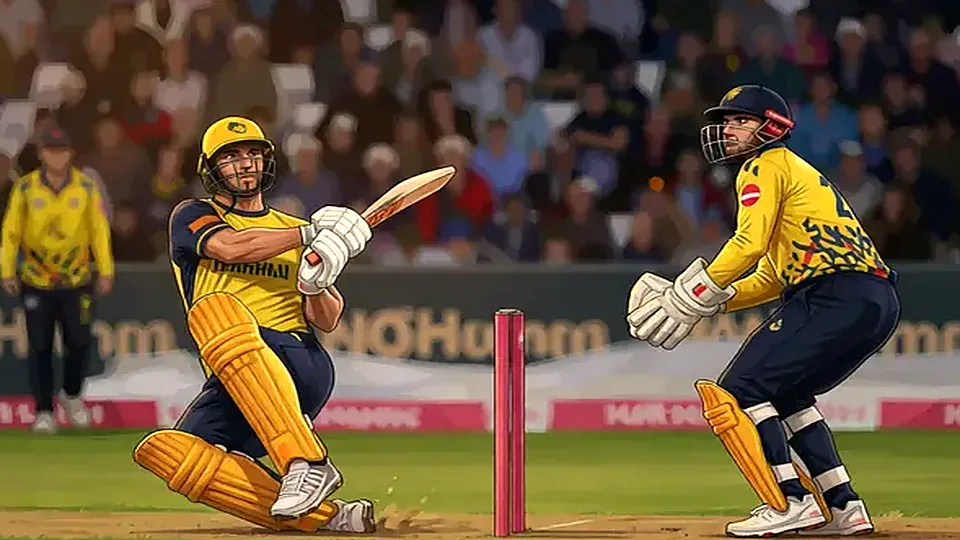
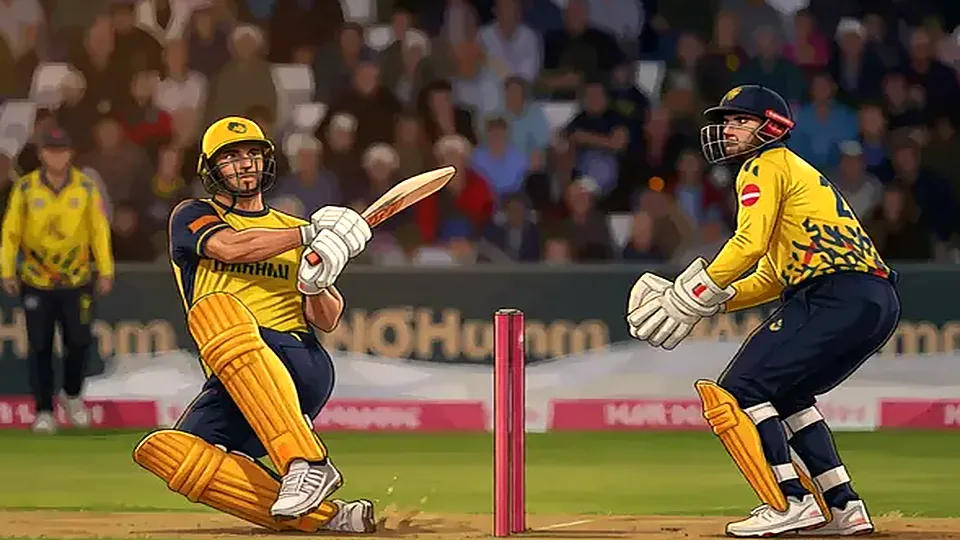
The humidity at Chinnaswamy hits you like a physical force before the first ball is even bowled. It clings to the pads, soaks through the undershirts, and makes the grip of the bat feel slick and unreliable. Harmanpreet Kaur, speaking from the coaching staff’s vantage point, didn’t waste time with diplomatic pleasantries. She cut straight to the chase, a tactic she likely learned in her own career when the scoreboard demanded quick reflexes rather than long-winded explanations.
"Domestic players can use the WPL to earn India call-ups for the T20 World Cup," she stated, her voice steady despite the buzzing of flies in the air conditioning vent behind her. It was not just a suggestion; it was a directive. The message was clear: if you want a spot in the white-ball setup, the Ranji grind is no longer the sole currency. The Women’s Premier League has become the new audition reel.
The Shift from Slow-Burn to High-Octane
For years, the selection equation was simple. Bat well in the Ranji, keep your Test average up, and you’d get a look in the one-day or T20 series. That pathway has fractured. The T20 World Cup requires a specific type of mental fortitude, one that thrives under the lights of Mumbai or Delhi, not just on the red clay of domestic grounds. Harmanpreet’s point is sharp: the WPL offers the exposure, the high-intensity matches, and the visibility that international selectors now prioritize.
"If you can survive the WPL’s net sessions and the dew factor, you can survive anything in a World Cup match," she added, echoing a sentiment likely shared by the entire backroom team.
The logic is sound, though controversial among the traditionalists. A skiddy hard length from a pace attack in the WPL, played against a top-class overseas bowling attack, is a better preparation for T20 pressure than a long day at a sticky red-soil track in Rajkot. The boundary-percentage in the WPL is significantly higher, and that velocity is what India needs to compete globally.
Pressure Cookers and Selection Criteria
Young Indian players handle scoreboard pressure differently now. The old guard learned to wait; the new guard has to strike. In the WPL, there is no room for a defensive start. You need to post a big total, or you are stuck. This mirrors the exact dynamic of a T20 World Cup group-stage match where failure to bat big means you are already fighting for survival.
Consider the net-session matchups at the National Cricket Academy. The Impact Player gamble is no longer a distant concept; it is a daily reality. Players are tested on their ability to bat with two in the middle, to bowl into the pitch on a deteriorating surface, and to field in the deep when the light is fading. These are not skills you learn in the Ranji alone. They are honed in the crucible of franchise cricket.
There is a cultural shift happening here. The association pathways that once fed the national team are now feeding the franchises. And the franchises, in turn, are feeding the national team. It is a circular economy of talent, but the flow is faster now. Harmanpreet is signaling that selectors will look at the WPL stats with the same scrutiny they apply to domestic figures. A strike rate of 160+ in the WPL carries more weight than a quiet century in a three-day match, simply because the context of failure is different.
The Road to 2027
As the sun sets over Bengaluru and the dew begins to settle on the grass, the players head to the nets for evening sessions. The air is thick, the lights are on, and the work continues. There is a strange, almost ironic parallel to the 'cash bag rummy 51 bonus' promotions that flood social media feeds during match days—both represent the high-stakes, quick-turn nature of modern entertainment. One is a game of luck and strategy, the other is a game of skill and timing, but both require you to be ready when the opportunity knocks.
For the aspiring Indian cricketer, the message is unequivocal. The T20 World Cup is not a separate world. It is an extension of the WPL. If you can navigate the chaos of a T20 league with its strategic nuances and physical demands, you are already halfway to the national team. Harmanpreet’s column of action is simple: go big, go fast, and don’t let the traditionalists tell you that the old ways are the only ways.
Related coverage
- Mahi’s Impact Play: Hyderabad Weapon – Cash Bag Rummy 51 Bonus Agree
- Seddon Park's 51% Chase Trap — and No Cash Bag Rummy 51 Bonus

Updated 2026-11-12 · Instant Rupee Deposits & 60s Withdrawals · 24/7 Support.
Access Official BagSher Portal →Head of Telemetry & Records · Mumbai Desk
Pooja Agarwal heads the statistical modeling desk at BagSher in Mumbai. She specializes in ball-by-ball telemetry, historical chart patterns, and data verification for cash bag rummy 51 bonus.
Reader Discussion & Match Reactions (6)4.7★ Community (6 Comments)
Verified Indian cricket reader perspectives & tactical debate on bagsher.com
Not one strike rate, not one over-wise score in the entire piece, yet the headline finds room for a rummy bonus figure. Harmanpreet's core point still stands — Ranji red-clay averages don't project T20 World Cup form the way WPL powerplay and death-over returns do, and selectors know it.
Two things bother me. First, this copy calls Harmanpreet's remarks a 'coaching staff's vantage point' — she is a player, and the desk didn't blink. Second, decrying the Ranji grind suits someone already holding a white-ball spot; the next generation still needs first-class temperament when the dew isn't doing the batting for them.
The 'audition reel' framing is fine until you notice Harmanpreet's spotlight venues are Mumbai and Delhi lights. Players grinding a full season on the red clay of smaller domestic grounds rarely get scouted unless their association pushes; the WPL-as-pathway logic only works if selectors follow state circuits, not just franchise cities.
As someone tracking Chinnaswamy chases, the humidity in Ishita's lede isn't colour — slick grip plus dew flips second-innings economics, which is precisely Harmanpreet's 'survive the WPL net sessions' filter. Ranji red-clay conditions never force that adaptation; WPL nights do, and that's the selection signal.
Say it plainly: a serious Harmanpreet quote about T20 World Cup pathways got stapled to a 'Cash Bag Rummy 51 Bonus' in the headline — BagSher's priorities are showing. The deeper risk nobody flags: the board that governs WPL also sets selection criteria, so an 'audition' where the organisers judge is never neutral.
@Saurabh_NRR fair callout on the vanishing stats, but Harmanpreet's own line gives the filter — survive WPL net sessions and the dew factor and you can survive anything. That's the T20 World Cup audition standard she set, straight from the Chinnaswamy humidity she walked out into.
Join the Discussion (6 Reader Comments)
Related Articles
See All
Gaud makes her Lord's mark as India surge into dominant position
Jul 12, 2026
McCullum fronts up one last time after becoming Bazball's fall guy
Jul 14, 2026