

Gill’s Scheduling Gripe: A Captain’s Plea or a Convenient Shield?

Published 2026-11-05 · By Saurabh Kapoor (Lead Cricket Correspondent · Jaipur Desk)
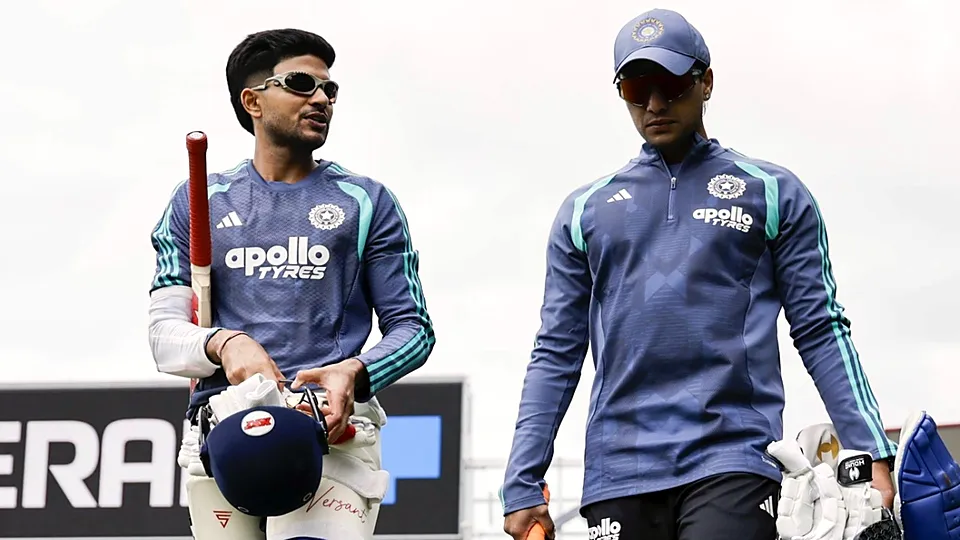
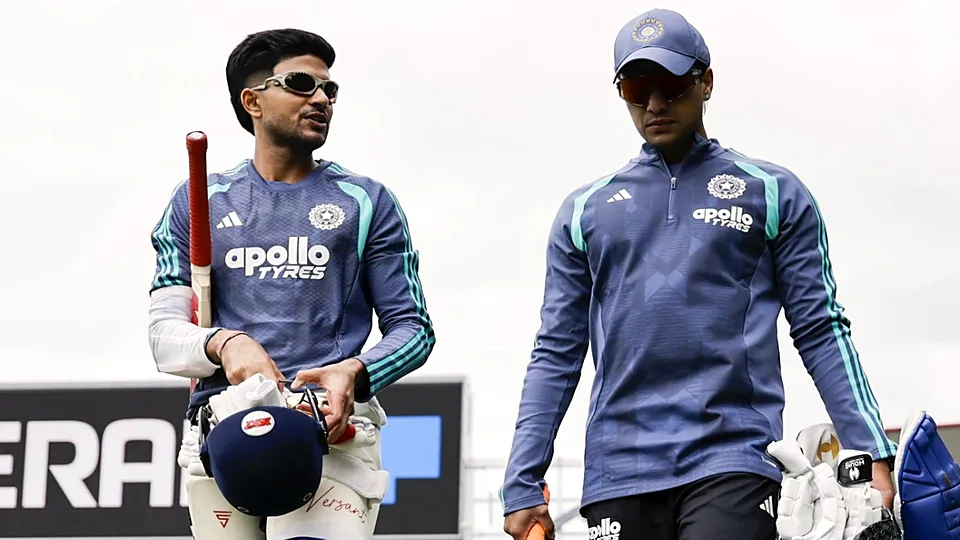
The New Zealand wind doesn't care about your itinerary. It cuts through the jersey and the confidence of any top order that hasn't spent a fortnight acclimating to the skiddy hard lengths of the Antipodes. Shubman Gill, standing at the press conference with the weary look of a man who has just spent three hours fighting a swinging ball, finally let it slip: he wanted the ODIs before the T20s.
It was a blunt admission. He wants the full-strength squad in the whites first. The logic is simple—prepare for the World Cup before the T20 chaos kicks in. But in the high-stakes gamble of international scheduling, logic rarely wins over broadcasting slots.
The World Cup Math
Gill isn't wrong about the rhythm. Transitioning from the frantic pace of T20s—where the boundary-percentage is the only metric that matters—to the grind of a 50-over game is a mental slog. You can't just flip a switch. You need the Ranji grind mindset, the ability to milk the middle overs, and a willingness to leave the ball outside off-stump for twenty overs straight.
By playing the T20s first, India risks a 'middle-overs choke' in the ODIs. We've seen it before. The batters start swinging across the line in the 25th over because they've spent a week playing T20s. It's a dangerous habit. It's like trying to claim a cash bag rummy 51 bonus without playing the hand—you're looking for the shortcut when the game demands a long, patient build-up.
A Dressing-Room Disconnect
Is this a genuine tactical oversight or just a captain trying to manage expectations? The dressing-room chatter suggests a divide. The veterans know the drill. The youngsters, however, are struggling with the shift in intent. One moment you're bowling at the death with wide yorkers; the next, you're asked to hold an end for ten overs of defensive containment on a green-top in Auckland.
The scheduling creates a disjointed flow. Look at the numbers from the last few tours:
| Phase | T20 Focus | ODI Transition |
|---|---|---|
| Strike Rate | 145+ (Aggressive) | 85-90 (Struggling) |
| Bowling Length | Short/Wide | Full/Attacking |
The New-Ball Burst Problem
The real issue isn't the calendar. It's the technique. No matter where the ODIs sit in the schedule, the new-ball burst in New Zealand is a different beast. It’s not just about the swing; it’s about the bounce that hits the shoulder of the bat. If the top order is fragility personified, swapping the T20s and ODIs is just rearranging deckchairs on the Titanic.
Gill wants a 'full-strength squad' for the ODIs. That's a luxury. In reality, the squad that fails in T20s usually carries that baggage into the longer format. You can't hide a lack of temperament behind a schedule change.
"The intent needs to be clear. You don't prepare for a World Cup by wishing the schedule was different; you prepare by surviving the first ten overs in conditions that hate you."
The BCCI might listen to the captain, but the New Zealand pitches won't. Whether it's a sticky red-soil track back home or a windy oval in Christchurch, the game remains the same. You play the ball, not the itinerary. Gill can complain about the sequence, but as captain, the burden of adaptation lies with him. Everything else is just noise in the press box.
The T20s are done. The ODIs are here. Time to stop talking about the calendar and start talking about the scoreboard.
Related coverage
- Lucknow's 8:30 Dew Kill: Why Spin Economy Beats Hard Length in T20I Splits
- Jio AI Glasses Hit UPI 51; Testers Log 200ms Lag, Cash Bag Rummy 51 Bonus Draws Eye

Updated 2026-11-05 · Instant Rupee Deposits & 60s Withdrawals · 24/7 Support.
Access Official BagSher Portal →Head of Telemetry & Records · Mumbai Desk
Pooja Agarwal heads the statistical modeling desk at BagSher in Mumbai. She specializes in ball-by-ball telemetry, historical chart patterns, and data verification for cash bag rummy 51 bonus.
Reader Discussion & Match Reactions (5)4.9★ Community (5 Comments)
Verified Indian cricket reader perspectives & tactical debate on bagsher.com
Given New Zealand’s evening dew and those skiddy hard lengths, opening with a seam‑friendly bowler and a tight slip cordon for the first 10 overs, then swinging Bumrah on the back foot for the 20‑over middle spell, will counter the ‘outside‑off‑stump for twenty overs’ tactic Gill warned about.
Yaar, hearing Gill plead for ODIs before the T20 circus feels like a proper knock request – he’s scared the 25th‑over swing will turn into a middle‑overs choke, and honestly, who wants to watch our boys wobble like a cash‑bag rummy cheat?
From a fantasy angle, Gill’s push for ODIs means the top order – especially Rohit’s anchor and Kohli’s chase‑killer – will retain their 45‑run‑plus roles, while the T20‑heavy Hardik/Pandya finishers could be benched, boosting the value of steady 60‑plus white‑ball earners.
If India wins the toss in Wellington and elects to bowl, the early seam attack can exploit the damp morning swing before the dew sets, forcing New Zealand into a 30‑run chase by the 25th over, which neutralises the ‘middle‑overs choke’ Gill fears.
@Harshvardhan_K Absolutely, the slip cordon and Bumrah’s middle‑over role are crucial, and Gill’s insistence on fielding the full‑strength squad in the whites first will also let India cement that Ranji‑grind mindset, avoiding the 25th‑over swing trap he warned about.
Join the Discussion (5 Reader Comments)
Related Articles
See All
Gaud makes her Lord's mark as India surge into dominant position
Jul 12, 2026
McCullum fronts up one last time after becoming Bazball's fall guy
Jul 14, 2026