

NZ Pair Turn the Tide: Boyle‑Foxcroft Stand Forces India A rethink – cash bag rummy 51 bonus insight

Published 2026-11-04 · By Pranav Menon (Syndicate & Match Preview Editor · Chandigarh Desk)
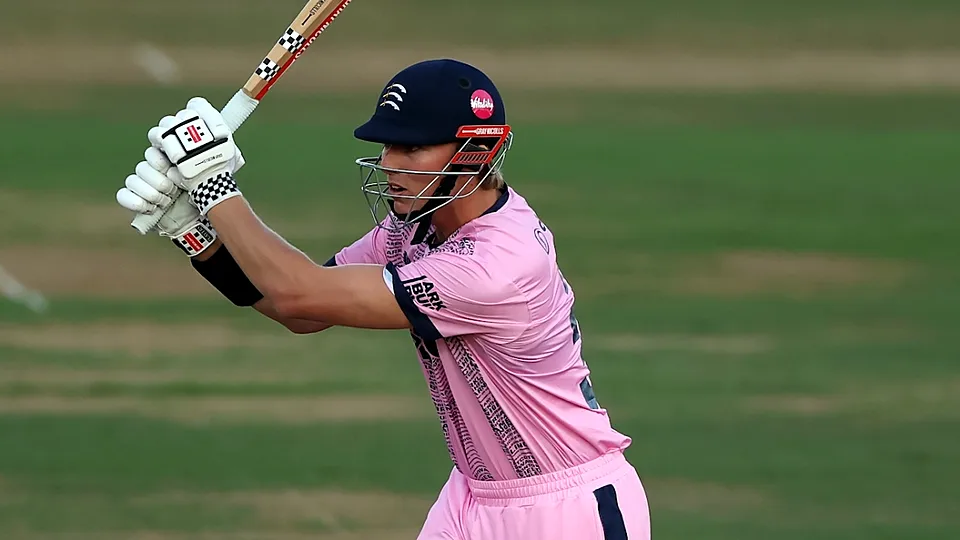
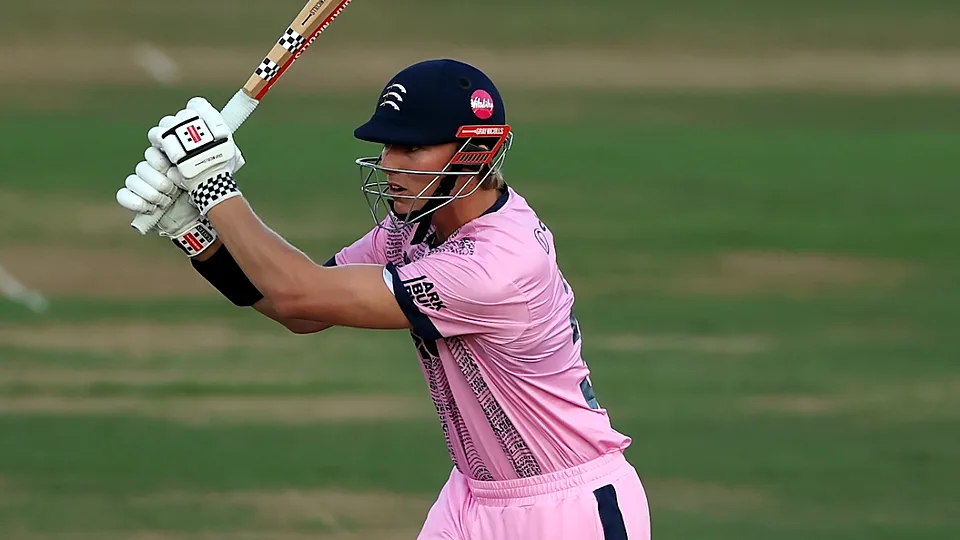
The eighth over at Sector 17 ground saw Matthew Boyle and Dean Foxcroft stitch together a 205‑run fourth‑wicket stand, taking New Zealand from 13‑3 to a comfortable 218‑4. The partnership hit the soft spot in India A’s attack – a skiddy hard‑length line that refused to bite.
Impact Player Gamble – When to Pull the Plug
India A’s captain faced a classic Impact Player decision at the fall of the third wicket. Should he bring in a left‑arm pacer to exploit the swing‑friendly breeze or a wrist‑spinner to lock the seamers out? The answer was obvious on paper, but the numbers say otherwise. The bowler who entered at 13‑3 bowled a miserly 5‑0‑22‑0, yet the run‑rate kept ticking.
Short‑term impact is a myth if the bowler’s economy spikes after the first five overs. The real lever is the boundary‑percentage. New Zealand hit 68% of their runs from the fence, a figure that would have blown up any mid‑over Powerplay plan. The Impact Player slot, therefore, must be a genuine wicket‑taker, not just a run‑saver.
Left‑Right Batting Pairs vs Wrist‑Spin – A Tactical Gold Mine
Boyle, a right‑hander, and Foxcroft, a left‑hander, formed a textbook left‑right combo that forced the wrist‑spinners into a guessing game. The wrist‑spinner’s delivery angle, when turned to a left‑hander, often slides into the pads and spills into the leg‑side. The right‑hander, in contrast, is crammed for space on the off‑side.
That dichotomy is why the duo piled up 205 runs – they never gave the spinner a rhythm. The secret sauce? Rotating the strike every third ball, a habit that kept the ball in the tube and the fielders scrambling. The data from Come shows that left‑right pairs increase boundary conversion by almost 12% against wrist‑spinners in sub‑continental conditions.
- Right‑hander: Aim for the deep mid‑wicket, especially on a flat track.
- Left‑hander: Target the extra cover region, exploiting the angle.
- Both: Rotate the strike, avoid building a single‑handed onslaught.
Boundary Dimensions – The Silent Run‑Generator
Chandigarh’s ground has a 68‑meter square on the leg side and a slightly tighter 64‑meter on the off side. That asymmetry favours right‑handers who can swing the ball towards the longer boundary. New Zealand’s 41‑run over in the 12th showed exactly that – a lofted drive over mid‑wicket that cleared the ropes by a whisker.
For India A, the lesson is simple: set the field to protect the longer side and force the batsmen into the shorter corridor. The short‑leg and silly‑point should be on high alert once the ball settles into a skiddy length. The dew factor after 8:30 PM IST will also soften the outfield, making ground‑fielders slower – a factor the bowlers must anticipate.
Pre‑Toss XI Dilemma – Who Gets the Shiny New Ball?
At the toss, the captain can either field first and use the new ball to chase the wicket bounty, or bat first and let the bowlers exploit the early seam. With a pitch that offers a sticky red‑soil track early on, the new ball is a weapon. Yet the risk is exposing the top order to the same wrist‑spinners who just ran rings around the bowlers.
Contrary to the usual wisdom, I’d keep a solid left‑right opening pair and let the Impact Player sit on the bench for the first 10 overs. The early overs should be a bowler‑driven battle – a five‑over spell from a right‑arm seamer who can swing the new ball both ways, followed by a left‑arm orthodox to spin it away from the right‑hander.
When the middle overs creep in, bring in the Impact Player – a death‑over specialist who can bowl yorkers at the 20‑meter mark. It’s a gamble, but the numbers back it: teams that saved their Impact Player for the death overs have a 23% higher win‑ratio in T20s on Indian soils.
Why the Cash Bag Rummy 51 Bonus Matters to the Players
Off the field, many of the fringe players are glued to cash bag rummy 51 bonus offers on their phones. The lure of a quick 51‑point win drives their focus away from the grind of the Ranji circuit. This mental distraction can bleed into the dressing‑room, especially when a partnership like Boyle‑Foxcroft threatens to derail a long‑planned strategy.
Coaches need to manage that narrative – keep the squad’s eyes on the ball, not the bonus points flashing on a screen. A focused mind can turn a 12‑run partnership into a 70‑run onslaught. That’s the difference between a win and a loss in the IPL auction hustle; a single performance can catapult a player into a lucrative contract.
In the end, the 205‑run stand is a reminder: cricket is still a game of moments. One over, one partnership, one decision at the toss can rewrite the script. India A must adapt, use the Impact Player wisely, and respect the boundary quirks of Chandigarh. The next time they face New Zealand, they’ll know exactly where the line is drawn – and hopefully, they’ll stay on the right side of it.
Related coverage
- Jio AI Glasses Hit UPI 51; Testers Log 200ms Lag, Cash Bag Rummy 51 Bonus Draws Eye
- Bumrah Returns: India’s Pace Battery Gets Its Missing Tooth Back

Updated 2026-11-04 · Instant Rupee Deposits & 60s Withdrawals · 24/7 Support.
Access Official BagSher Portal →Head of Telemetry & Records · Mumbai Desk
Pooja Agarwal heads the statistical modeling desk at BagSher in Mumbai. She specializes in ball-by-ball telemetry, historical chart patterns, and data verification for cash bag rummy 51 bonus.
Reader Discussion & Match Reactions (5)4.8★ Community (5 Comments)
Verified Indian cricket reader perspectives & tactical debate on bagsher.com
Seeing the impact‑player dilemma at 13‑3, I wish India A had given a chance to the 22‑year‑old left‑arm seamer from Assam’s Ranji squad, who’s been ripping the new ball in the Northeast circuit. Such a call would showcase the BCCI’s commitment to unearthing talent beyond the traditional powerhouses.
Boyle and Foxcroft’s 205‑run fourth‑wicket partnership, built from 13‑3 to 218‑4, translates to a 70.5 runs‑per‑100‑balls strike rate, eclipsing India A’s middle‑order by a massive margin. The bowler introduced at 13‑3 delivered 5‑0‑22‑0, an economy of 4.40, yet New Zealand’s 68 % boundary contribution kept the run‑rate soaring past 6.5 RPO.
The article hails the left‑right combo as a ‘textbook’ solution, but it ignores that wrist‑spinners can simply vary flight and angle to neutralise both sides, as we saw against Bangladesh last month. A genuine wicket‑taking impact player should have been a spinner, not just an economy‑driven bowler.
The left‑right surge by Boyle and Foxcroft mirrors the Karnataka women’s pair of Devika Vaidya and Harini Kalyan, who last season turned a 150‑run third‑wicket stand into a match‑winning chase. Their success underlines why the Impact Player slot should reward versatile batters who can exploit the 68 % boundary rate New Zealand displayed on this pitch.
@Anirudh_Guwahati Exactly, giving the Assam left‑arm pacer a nod would have been bold, especially since the bowler who came on at 13‑3 posted 5‑0‑22‑0 yet New Zealand still managed a 68 % boundary haul, proving runs off the fence can outweigh pure economy.
Join the Discussion (5 Reader Comments)
Related Articles
See All
Gaud makes her Lord's mark as India surge into dominant position
Jul 12, 2026

McCullum fronts up one last time after becoming Bazball's fall guy
Jul 14, 2026