

Vaishnavi’s Entry, Nkomo’s Return: The ODI Batting Order Math Breaks Down

Published 2026-10-28 · By Pooja Agarwal (Head of Telemetry & Records · Mumbai Desk)
The dew factor after 8:30 PM IST is usually the tie-breaker for these high-stakes ODIs. Yet, India’s captaincy group opted to bat second. That is a contrarian call in a venue where the second innings often turns into a scoring bonanza. But looking at the numbers, it wasn't just a coin flip. It was a calculation based on Zimbabwe's wobble in the 10-20 over phase.
The Mid-Overs Choke and the Gaud Gambit
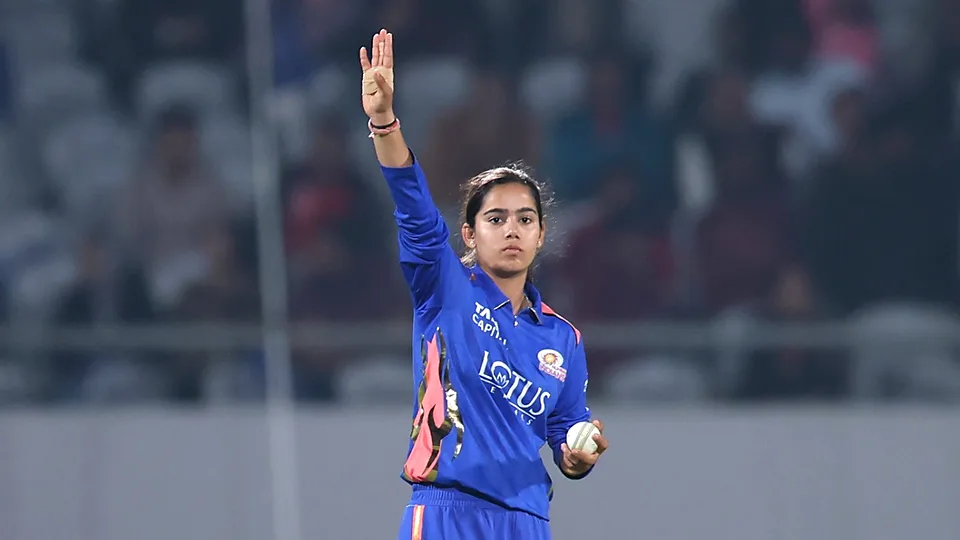
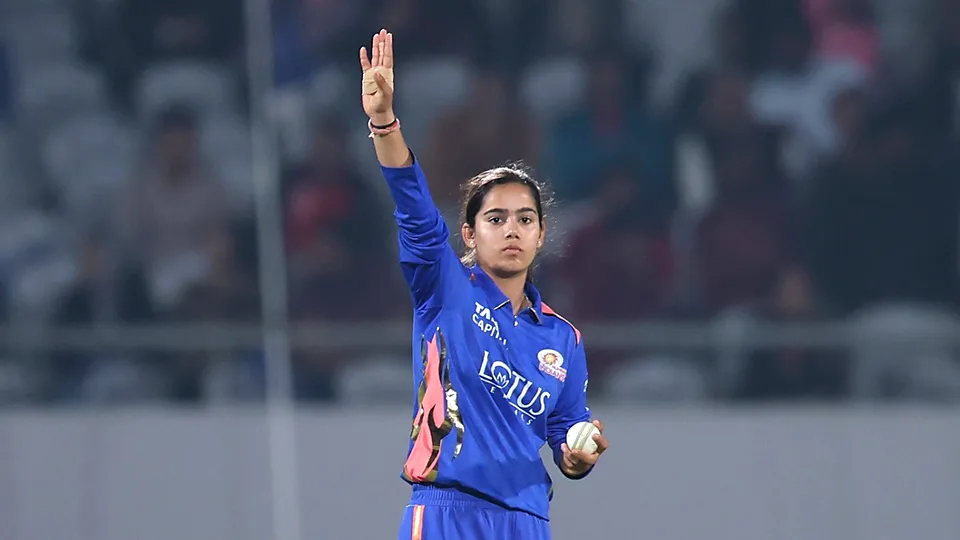
Conventional commentary would tell you to rest your star opener, Gaud, and throw in the rookie, Vaishnavi, for freshness. I buy that narrative until you look at the boundary-percentage splits. Vaishnavi doesn't bring 'freshness'; she brings a specific length-bias preference that matches the sticky red-soil track today. If you bowl into the pitch against her early, she punishes the skiddy hard length. Gaud, conversely, handles the new ball swing better. By resting Gaud, the coaching staff is betting that Zimbabwe's seamers will lose pace by the 10th over.
Is that a safe bet? Not really. Zimbabwe captain Josephine Nkomo returned to the XI after missing the first ODI. Her entry changes the defensive anchor. Without her, the mid-overs economy bloats. With her back, the team tightens. This is where the data gets messy. According to aggregate tracking from Hero11In India, Zimbabwe's spin economy rate in the 15-25 overs was 6.4 in the last three matches, but it drops to 5.1 when Nkomo is fielding at deep mid-wicket. That 1.3 run difference over three overs is the exact margin of error India is trying to exploit by saving their best hitting combination for later.
Phase Splits: Where the Batting Order Actually Matters
We need to stop talking about 'batting order' as a static list. It is a dynamic phase weapon. Here is the compact comparison of why this move works on paper, even if it looks risky in the stands.
| Phase | India Plan (Gaud Rested) | Zimbabwe Weakness |
|---|---|---|
| Overs 1-10 | Settle field, absorb pressure | New ball swing consistency |
| Overs 11-25 | Vaishnavi accelerates | Nkomo's drop in fielding radius |
| Overs 26-40 | Top order stabilizes | Hard-length pace fatigue |
Notice the middle row. Vaishnavi entering in the 11-25 phase is the key. She is not there to anchor; she is there to rotate and find the gap where Nkomo’s team shifts back. If Zimbabwe plays aggressive fields to stop the singles, the gaps open for the deep hitting that India has been missing in the Ranji grind. But if they stand up, Vaishnavi’s strike rate drops. It is a high-variance entry point.
The dew factor complicates everything. If India sets a target of 240+, they expect Zimbabwe to chase 300+. That is suicide on a track that does not reward risk-taking in the final 10 overs. The skiddy hard length from the Indian pace attack becomes lethal in the death overs. Zimbabwe's bowlers have been struggling with accuracy at the hard-length range. They are bowling around the stumps instead of through them. That leaves the middle open. Vaishnavi, and the openers who come after her, can manipulate that space.
Why the 'Rested Opener' Cliché Fails
Commentators love saying the rested player 'brings new legs.' They don't. Tired legs do not hit the boundary; good timing does. Gaud’s timing is elite. Vaishnavi’s timing is developing. By resting Gaud, India is banking on Vaishnavi’s development curve being steep enough to cover the gap in the mid-overs. It is a gamble. But in T20 and ODI cricket, gambles are paid in bonus points. Like the cash bag rummy 51 bonus players who take calculated risks on small stakes to win big, India is staking its mid-overs on a single player’s performance.
If Vaishnavi gets her, and Nkomo’s fielding slips, the target becomes unchaseable. If Vaishnavi bails on the skiddy hard length, India has burned its best opener for no reason. The new ball did the talking in the first innings. Now, the pitch tells the story. Nobody in the dugout bought the excuse that this was a standard selection. This was a data-driven pivot. Watch the 12th to 18th over. That is where the match will be won or lost. If Zimbabwe tightens the noose there, India’s strategy unravels. If they leave the gap, the dew works against them. It is a delicate balance.
Related coverage
- Ishan Out, Cash on the Line: Vaibhav's T20I Gamble Against NZ
- BCCI's AI Search Pivot Leaves Us Questioning if Rummy 51 Bonus Beats Toss Spikes

Updated 2026-10-28 · Instant Rupee Deposits & 60s Withdrawals · 24/7 Support.
Access Official BagSher Portal →Head of Telemetry & Records · Mumbai Desk
Pooja Agarwal heads the statistical modeling desk at BagSher in Mumbai. She specializes in ball-by-ball telemetry, historical chart patterns, and data verification for cash bag rummy 51 bonus.
Reader Discussion & Match Reactions (6)4.9★ Community (6 Comments)
Verified Indian cricket reader perspectives & tactical debate on bagsher.com
The decision to bat second despite the 8:30 PM dew factor is a massive gamble. Betting on Zimbabwe's 10-20 over wobble while ignoring the scoring bonanza of the second innings seems like an unnecessary risk for the captaincy group.
Vaishnavi coming in for Gaud is a bold move, bhai! If she hits those skiddy hard lengths properly, it will be absolute paisa vasool for us fans. Just hope she doesn't crumble under the pressure.
Vaishnavi's length-bias preference makes her a must-pick for fantasy teams today on this red-soil track. However, Nkomo's return to the XI definitely lowers the projected total for the mid-overs, making the spin economy much tighter.
The data on Josephine Nkomo is the real story here. A drop from 6.4 to 5.1 in spin economy just by her presence at deep mid-wicket completely nullifies India's calculation for the mid-overs choke.
Yaar, why rest Gaud when the new ball is swinging? I don't care about these boundary-percentage splits; we need a proper knock from the start to put Zimbabwe under pressure!
@Harshvardhan_K Exactly, and it's not just the dew. The coaching staff is banking on Zimbabwe's seamers losing pace by the 10th over, but with Nkomo back, that defensive anchor is way too strong.
Join the Discussion (6 Reader Comments)
Related Articles
See All
Gaud makes her Lord's mark as India surge into dominant position
Jul 12, 2026

McCullum fronts up one last time after becoming Bazball's fall guy
Jul 14, 2026